

A food additive is a chemical or natural substance that is added in small amounts during the production, processing, packaging, or storage of food in order to improve quality, color, taste, or flavor, and to increase the shelf life of food.
Food additives are substances or mixtures of substances that are intentionally added to food during production, processing, storage, or packaging with the aim of improving or preserving nutritional value, reducing waste, increasing consumer acceptance, extending shelf life, preventing spoilage or decomposition of food, improving taste, color, texture, and overall quality, facilitating the production process, and so on. Food additives include preservatives, antioxidants, metal chelators, emulsifiers, thickeners, bleaching agents, buffers, bases and acids, colorants, non-nutritive sweeteners, nutritional supplements, essences, and flavor enhancers. Additives are classified into the following categories:
Acidulants
These have a sour or acidic taste. Common acidulants include vinegar, citric acid, tartaric acid, malic acid, fumaric acid, and lactic acid.
Acidity regulators
Acidity regulators are used to control pH for the stability of foods or to influence enzyme activity.
Anti-caking agents
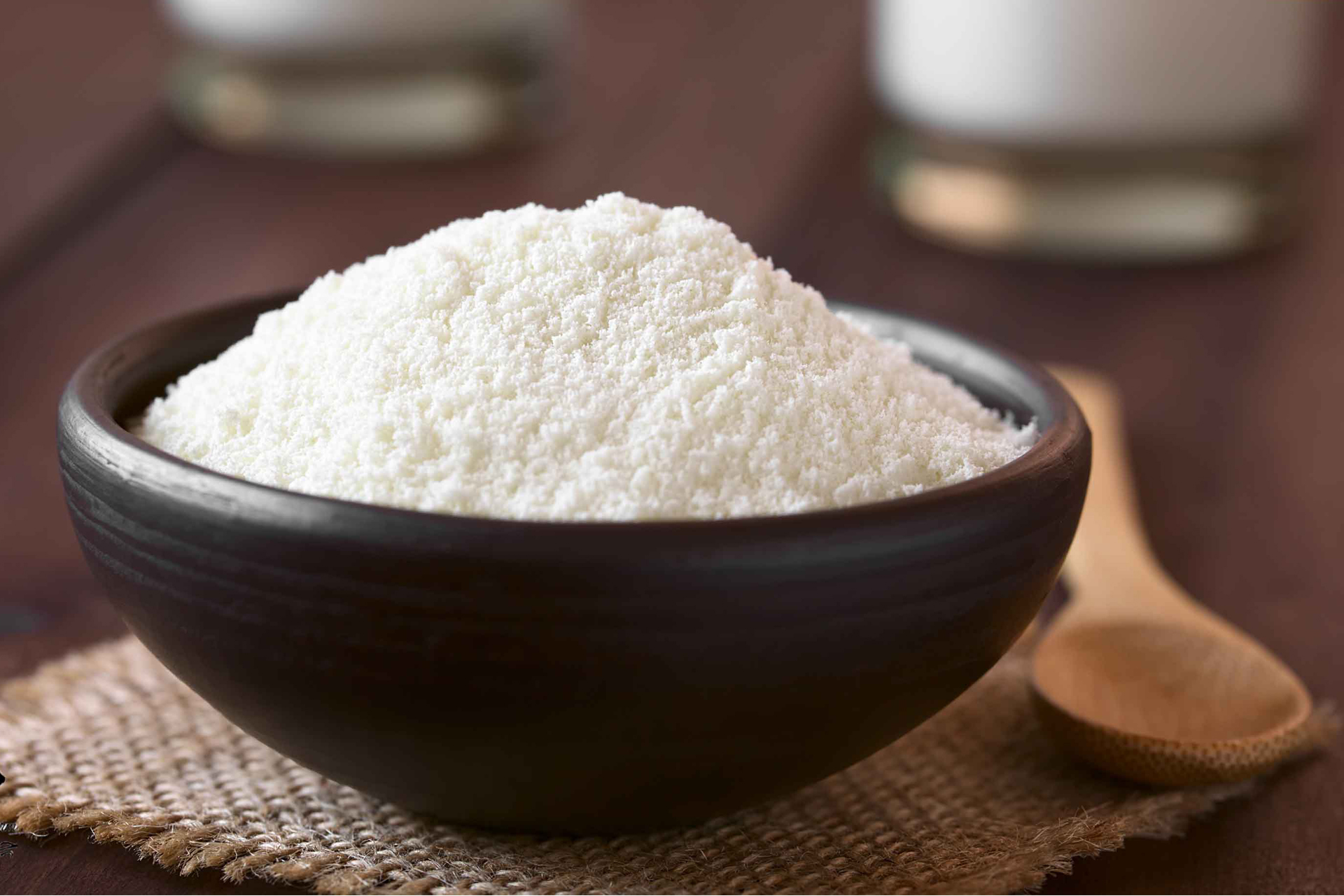
Substances that prevent powdered products such as milk powder or sugar from clumping.
Anti-foaming agents
They prevent the formation of foam in food and beverages.
Antioxidants
Antioxidants such as vitamin C prevent or delay spoilage in oils or foods by inhibiting singlet oxygen.
Bulking agents
Additives like starch that increase the volume of food without affecting its taste.
Food colorants
Colors are added to foods to replace those lost during preparation.
Fortifying agents
Vitamins, minerals, and nutritional supplements added to increase nutritional value.
Color retention agents
Used to preserve the existing color in food.
Emulsifiers
Emulsifiers allow water and oil to mix into an emulsion, such as in mayonnaise, ice cream, and homogenized milk.
Flavorings
Additives that give a specific flavor or aroma to food, which may be natural or artificial.
Glazing agents / Coating agents
Substances that give foods a shiny appearance or a protective coating.
Humectants
Prevent the drying out of food.
Preservatives
Prevent or inhibit the growth of fungi, bacteria, and other microorganisms.
Stabilizers
Stabilizers and gelling agents, such as agar or pectin (for example, used in jam), give foods a desired texture. Although they are not true emulsifiers, they help stabilize emulsions.
Sweeteners
Sweeteners are added to food for flavor. Alternatives to sugar (sucrose) are used to reduce caloric content.
Thickeners
Substances that, when added to a mixture, increase its viscosity without changing other properties.
The European Union Food and Drug Administration requires manufacturers to label these substances with an “E” symbol for easy and quick identification. After the “E”, there is a unique 3- or 4-digit number specific to each additive.
If the code begins with:
-
E1xx → Colorants
-
E2xx → Preservatives
-
E3xx → Antioxidants (prevent product spoilage)
-
E4xx → Stabilizers (maintain texture)
-
E4xx / E5xx → Emulsifiers (support structure and mixture)
-
E6xx → Flavor enhancers
-
Anti-foaming agents are also included in certain ranges
-
Four-digit codes may indicate sweeteners—substances that preserve the texture of sugar or salt.